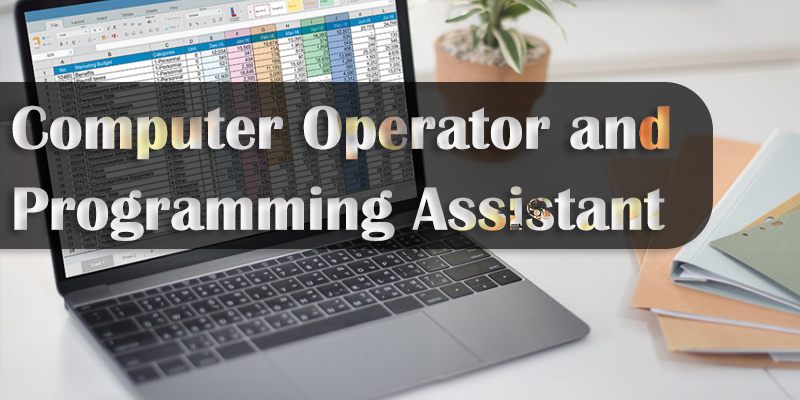
The Computer Operator and Programming Assistant (COPA) is a 1-year, NSQF Level 4 ITI trade focusing on computer operations, programming, and IT support. Candidates must have passed the 10th grade to join, gaining skills in MS Office, JavaScript, database management, and cyber security for roles like Data Entry Operators or IT Assistants.
Key Aspects of ITI COPA Course:
- Duration & Structure: 1 year, split into two semesters, usually consisting of 1,600 hours of training.
- Core Syllabus: Fundamentals of Computer, Operating Systems (Windows/Linux), MS Office Suite (Word, Excel, PowerPoint), Basic HTML & CSS, JavaScript, Networking Concepts, Cyber Security, and Tally.
- Eligibility: 10th grade passed (minimum age generally 14 years).
- Certification: National Trade Certificate (NTC) recognized nationwide, issued by DGT (Directorate General of Training).
Career Options & Jobs:
- Data Entry Operator/Computer Operator: Handling data entry and administrative tasks in private or government sectors.
- Programming Assistant: Assisting software developers with basic coding and documentation.
- IT Support Technician: Troubleshooting hardware and software issues.
- Web Designer: Creating simple static websites and web-based applications.
- Self-Employment: Running a cyber cafe or providing computer education.
Salary Expectations:
Entry-level positions often offer monthly salaries ranging from ₹12,000 to ₹25,000 in private firms, depending on location and skill level.
Higher Education & Apprenticeship:
After completing the COPA course, graduates can take up an Apprenticeship Training (NAC) or pursue higher studies like a Diploma in Computer Science/Application, or join the Craft Instructor Training Scheme (CITS) to become ITI instructors.