
Skip to header Skip to main navigation Skip to main content Skip to footer

User account menu

  • Log in
Home
COPA
Computer Operator and Programming Assistant

Main navigation

  • Home
    • COPA Assessment Criteria
    • COPA Job Role
    • Course Information
  • Books
  • Question Paper
  • Employability Skills (opens in new tab)
  • Engineering Drawing (opens in new tab)
  • Hunnarbaaz (opens in new tab)
  • ITI Tools (opens in new tab)
  • Syllabus (opens in new tab)
  • Workshop Calculation and Science (opens in new tab)

Viewing Network connections

Breadcrumb

  • Home
  • Configuring and Using Networks
  • Viewing Network connections
Computer Operator and Programming Assistant (COPA)
Computer Operator and Programming Assistant

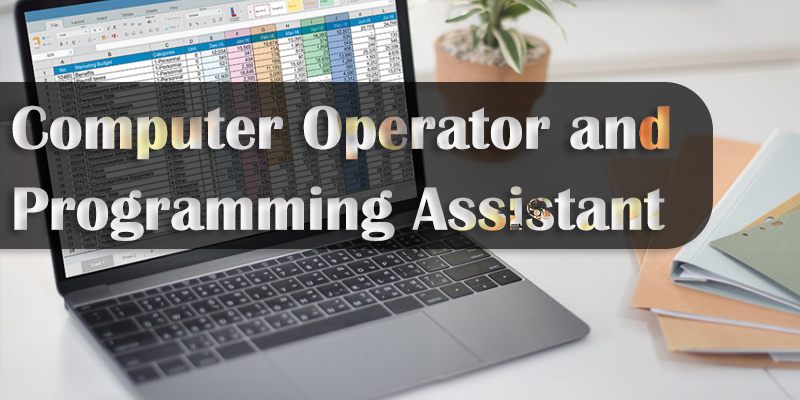
The Computer Operator and Programming Assistant (COPA) is a 1-year, NSQF Level 4 ITI trade focusing on computer operations, programming, and IT support. Candidates must have passed the 10th grade to join, gaining skills in MS Office, JavaScript, database management, and cyber security for roles like Data Entry Operators or IT Assistants. 

Key Aspects of ITI COPA Course:

  • Duration & Structure: 1 year, split into two semesters, usually consisting of 1,600 hours of training.
  • Core Syllabus: Fundamentals of Computer, Operating Systems (Windows/Linux), MS Office Suite (Word, Excel, PowerPoint), Basic HTML & CSS, JavaScript, Networking Concepts, Cyber Security, and Tally.
  • Eligibility: 10th grade passed (minimum age generally 14 years).
  • Certification: National Trade Certificate (NTC) recognized nationwide, issued by DGT (Directorate General of Training). 

Career Options & Jobs:

  • Data Entry Operator/Computer Operator: Handling data entry and administrative tasks in private or government sectors.
  • Programming Assistant: Assisting software developers with basic coding and documentation.
  • IT Support Technician: Troubleshooting hardware and software issues.
  • Web Designer: Creating simple static websites and web-based applications.
  • Self-Employment: Running a cyber cafe or providing computer education. 

Salary Expectations:
Entry-level positions often offer monthly salaries ranging from ₹12,000 to ₹25,000 in private firms, depending on location and skill level. 

Higher Education & Apprenticeship:
After completing the COPA course, graduates can take up an Apprenticeship Training (NAC) or pursue higher studies like a Diploma in Computer Science/Application, or join the Craft Instructor Training Scheme (CITS) to become ITI instructors. 

  • English
  • Hindi
  • Bengali
  • Gujarati
  • Kannada
  • Odia
  • Punjabi
  • Telugu
  • Tamil
  • Marathi
  • Malayalam
By iti | 4:31 PM IST, Fri April 18, 2025

🌐 Viewing Network Connections

Viewing network connections is an essential skill for troubleshooting, managing, and ensuring the proper functioning of a computer's network. This guide will walk ITI students through how to view network connections on their computer, allowing them to monitor the status of the network, check for issues, and ensure proper configuration.


🎯 Introduction to Network Connections

Network connections allow a computer to communicate with other devices over the internet or local area network (LAN). By viewing the network connections, users can check their current connection status, configure settings, and troubleshoot network issues.

Types of Network Connections:

  • Wired Connections: These are physical connections made through Ethernet cables to connect a computer to a router or switch.
  • Wireless Connections: These connections use Wi-Fi technology to connect devices to a wireless router or access point without physical cables.
  • Virtual Private Network (VPN): A secure connection that allows users to connect to remote networks over the internet.
  • Bluetooth: A short-range wireless connection used to link devices such as computers, printers, and smartphones.

🔧 Viewing Network Connections in Windows

In Windows operating systems, there are several ways to view and manage network connections. Below are the steps to access and view network connections:

1. Using the Control Panel:

  1. Open the Control Panel by searching for it in the Start Menu or pressing Windows + X and selecting Control Panel.
  2. Click on Network and Sharing Center.
  3. Under View your active networks, you will see the current active network connections such as Wi-Fi or Ethernet.
  4. Click on the connection to see more details, such as status, speed, and data usage.

2. Using Network Connections Window:

  1. Press Windows + R to open the Run dialog box.
  2. Type ncpa.cpl and press Enter to open the Network Connections window.
  3. In this window, you will see a list of all available network interfaces, including Ethernet, Wi-Fi, Bluetooth, and VPN connections.
  4. Right-click on any connection to enable, disable, or view its status.

3. Using Command Prompt:

  1. Press Windows + R, type cmd, and press Enter to open the Command Prompt.
  2. Type ipconfig and press Enter to display the IP configuration of your network adapters, including their status, IP addresses, and other related details.
  3. For more detailed information, use the command netsh interface show interface to list all network interfaces and their status.

4. Using Network Troubleshooter:

  1. If you are experiencing network issues, use the built-in Windows Network Troubleshooter to diagnose and fix problems.
  2. Open the Control Panel, navigate to Network and Sharing Center, and click on Troubleshoot problems.
  3. Select the type of network issue you are facing, and Windows will attempt to detect and resolve the problem automatically.

🔧 Viewing Network Connections in Linux

In Linux, you can view network connections using both graphical tools and command-line tools. Below are the methods for Linux systems:

1. Using the GUI (Graphical User Interface):

  • Open the System Settings or Network Settings from the menu or control panel.
  • Click on Network to view the list of active connections (Wi-Fi, Ethernet, etc.).
  • You can view the connection status, strength, and IP address from this window.

2. Using Command Line Tools:

  • Open the terminal by pressing Ctrl + Alt + T.
  • To view the network interfaces and their status, type ifconfig (for older distributions) or ip a (for newer distributions) and press Enter.
  • To see a more detailed view of your network connection and routing table, use the command netstat -r.
  • If you want to check the status of your network interface (e.g., eth0 or wlan0), use nmcli dev status or ip link show.

3. Using Network Manager:

  • Network Manager is a common tool used in Linux to manage network connections.
  • Click on the network icon in the system tray, and you will see a list of available connections, including Wi-Fi networks and Ethernet connections.
  • Click on the desired connection to view details and modify network settings.

🔧 Troubleshooting Network Connections

If a network connection is not working correctly, here are some common troubleshooting steps:

1. Check Physical Connections:

  • Ensure that Ethernet cables are securely plugged into the computer and router/switch.
  • If using Wi-Fi, make sure the device is within the range of the wireless access point.

2. Restart Network Devices:

  • Restart the router or modem to resolve connectivity issues.
  • Restart the computer to refresh the network connection.

3. Check IP Configuration:

  • Ensure that the computer has a valid IP address (either static or dynamic).
  • To obtain an IP address dynamically, make sure that DHCP is enabled on the router.

4. Use Command Line Tools:

  • Use the ping command to check connectivity to other devices or the Internet. For example, type ping 8.8.8.8 to test connectivity to Google's DNS server.
  • If there is no response, check if the computer is properly connected to the network.

5. Disable/Enable Network Adapters:

  • Sometimes, disabling and then enabling the network adapter can help restore connectivity.
  • In the Network Connections window, right-click on the adapter and choose Disable, then Enable it again.

🎯 Conclusion

Viewing network connections is a fundamental task in managing and troubleshooting network connectivity. By understanding how to view and configure network connections, ITI students can resolve connectivity issues, manage network settings, and ensure smooth operation in both Windows and Linux environments. Mastery of these skills is essential for maintaining network reliability and performance in a variety of settings.
  • Printer-friendly version

Book traversal links for Viewing Network connections

  • ‹ Configuring and Using Networks
  • Up
  • Connecting a computer to a network and sharing of Devices, files and Folders ›
Viewing Network connections
 

Book navigation

  • Viewing Network connections
  • Connecting a computer to a network and sharing of Devices, files and Folders
  • Familiarization with various Network devices, Connectors and Cables
  • IP Addressing and Subnetfor IPV4 / IPV6,Masking, pinging to test networks
  • Configuring Hub and Switch
  • Setting up and configuring LAN in a Computer Lab as peer to peer network
  • Setting up a proxy server/ DHCP Server with firewall
  • Setting up video conferencing
  • Setting up video conferencing
  • Using various tools for computer maintenance, Network security

Books

Introduction to Programming in Java
Programming language (Python)
Cloud Computing
Cyber Security
Advanced Excel Concepts
Database Concepts
Communicating in a Connected World
Using Spread Sheet Application
Designing Static Web Pages
Internet Concepts
Configuring and Using Networks
Database Management
Image editing, Creating presentations & Using Open Office
Using Word Processing Software
Familiarization with DOS CLI & Linux Operating Systems.
🖥️ Computer Hardware Basics and Software Installation
🖥️ Computer Components and Windows Operating System
Cyber Security
E Commerce
Smart Accounting
Introduction to VBA, Features and Applications
Introduction to JavaScript 🧠💻
Web Design Concepts
Internet Concepts 🌐
Networking Concepts 🌐
🗄️ Database Management Systems (DBMS)
Power Point Presentations
📊 Spreadsheet Application – Trade Theory for COPA
📝 Word Processing – Trade Theory for COPA
🖥️ Introduction to DOS Command Line Interface & Linux Operating System – Trade Theory for COPA
🖥️ Computer Hardware Basics and Software Installation – Trade Theory for COPA
Introduction to Computers and Windows Operating System

Article

Types of Files in Computer System
Safety Signs and Symbols Used in Workplace
Safety Rules While Using Computer
Can I start my own business after doing ITI in COPA trade?
Scope in Government Jobs after Doing ITI in COPA

Question Paper

Malayalam

COPA 2024 കഴിഞ്ഞ വർഷങ്ങളിലെ ചോദ്യപേപ്പർ സെറ്റ് 5
COPA 2024 കഴിഞ്ഞ വർഷങ്ങളിലെ ചോദ്യപേപ്പർ സെറ്റ് 4
COPA 2024 കഴിഞ്ഞ വർഷങ്ങളിലെ ചോദ്യപേപ്പർ സെറ്റ് 3
COPA 2024 കഴിഞ്ഞ വർഷങ്ങളിലെ ചോദ്യപേപ്പർ സെറ്റ് 2
COPA 2024 കഴിഞ്ഞ വർഷങ്ങളിലെ ചോദ്യപേപ്പർ സെറ്റ് 1

Marathi

COPA 2024 मागील वर्षांच्या प्रश्नपत्रिका संच 5
COPA 2024 मागील वर्षांच्या प्रश्नपत्रिका संच 4
COPA 2024 मागील वर्षांच्या प्रश्नपत्रिका संच 3
COPA 2024 मागील वर्षांच्या प्रश्नपत्रिका संच 2
COPA 2024 मागील वर्षांच्या प्रश्नपत्रिका संच 1

Tamil

COPA 2024 முந்தைய ஆண்டுகளின் கேள்வித்தாள் தொகுப்பு 5
COPA 2024 முந்தைய ஆண்டுகளின் கேள்வித்தாள் தொகுப்பு 4
COPA 2024 முந்தைய ஆண்டுகளின் கேள்வித்தாள் தொகுப்பு 3
COPA 2024 முந்தைய ஆண்டுகளின் கேள்வித்தாள் தொகுப்பு 2
COPA 2024 முந்தைய ஆண்டுகளின் கேள்வித்தாள் தொகுப்பு 1

Telugu

COPA 2024 గత సంవత్సరాల ప్రశ్నాపత్రాల సెట్ 5
COPA 2024 గత సంవత్సరాల ప్రశ్నాపత్రాల సెట్ 4
COPA 2024 గత సంవత్సరాల ప్రశ్నాపత్రాల సెట్ 3
COPA 2024 గత సంవత్సరాల ప్రశ్నాపత్రాల సెట్ 2
COPA 2024 గత సంవత్సరాల ప్రశ్నాపత్రాల సెట్ 1

Punjabi

COPA 2024 ਪਿਛਲੇ ਸਾਲਾਂ ਦੇ ਪ੍ਰਸ਼ਨ ਪੱਤਰ ਸੈੱਟ 5
COPA 2024 ਪਿਛਲੇ ਸਾਲਾਂ ਦੇ ਪ੍ਰਸ਼ਨ ਪੱਤਰ ਸੈੱਟ 4
COPA 2024 ਪਿਛਲੇ ਸਾਲਾਂ ਦੇ ਪ੍ਰਸ਼ਨ ਪੱਤਰ ਸੈੱਟ 3
COPA 2024 ਪਿਛਲੇ ਸਾਲਾਂ ਦੇ ਪ੍ਰਸ਼ਨ ਪੱਤਰ ਸੈੱਟ 2
COPA 2024 ਪਿਛਲੇ ਸਾਲਾਂ ਦੇ ਪ੍ਰਸ਼ਨ ਪੱਤਰ ਸੈੱਟ 1

Odia

COPA 2024 ପୂର୍ବବର୍ଷର ପ୍ରଶ୍ନପତ୍ର ସେଟ 5
COPA 2024 ପୂର୍ବବର୍ଷର ପ୍ରଶ୍ନପତ୍ର ସେଟ 4
COPA 2024 ପୂର୍ବବର୍ଷର ପ୍ରଶ୍ନପତ୍ର ସେଟ 3
COPA 2024 ପୂର୍ବବର୍ଷର ପ୍ରଶ୍ନପତ୍ର ସେଟ 2
COPA 2024 ପୂର୍ବବର୍ଷର ପ୍ରଶ୍ନପତ୍ର ସେଟ 1

Kannada

COPA 2024 ಹಿಂದಿನ ವರ್ಷಗಳ ಪ್ರಶ್ನೆಪತ್ರಿಕೆ ಸೆಟ್ 5
COPA 2024 ಹಿಂದಿನ ವರ್ಷಗಳ ಪ್ರಶ್ನೆಪತ್ರಿಕೆ ಸೆಟ್ 4
COPA 2024 ಹಿಂದಿನ ವರ್ಷಗಳ ಪ್ರಶ್ನೆಪತ್ರಿಕೆ ಸೆಟ್ 3
COPA 2024 ಹಿಂದಿನ ವರ್ಷಗಳ ಪ್ರಶ್ನೆಪತ್ರಿಕೆ ಸೆಟ್ 2
COPA 2024 ಹಿಂದಿನ ವರ್ಷಗಳ ಪ್ರಶ್ನೆಪತ್ರಿಕೆ ಸೆಟ್ 1

Bengali

COPA 2024 পূর্ববর্তী বছরের প্রশ্নপত্র সেট 5
COPA 2024 পূর্ববর্তী বছরের প্রশ্নপত্র সেট 4
COPA 2024 পূর্ববর্তী বছরের প্রশ্নপত্র সেট 3
COPA 2024 Previous Years Question Paper Set 2
COPA 2024 পূর্ববর্তী বছরের প্রশ্নপত্র সেট 1

Gujarati

COPA 2024 અગાઉના વર્ષોના પ્રશ્નપત્ર સેટ 5
COPA 2024 અગાઉના વર્ષોના પ્રશ્નપત્ર સેટ 4
COPA 2024 અગાઉના વર્ષોના પ્રશ્નપત્ર સેટ 3
COPA 2024 અગાઉના વર્ષોના પ્રશ્નપત્ર સેટ 2
COPA 2024 અગાઉના વર્ષોના પ્રશ્નપત્ર સેટ 1

Hindi

COPA 2024 पिछले वर्षों के प्रश्न पत्र सेट 5
COPA 2024 पिछले वर्षों के प्रश्न पत्र सेट 4
COPA 2024 पिछले वर्षों के प्रश्न पत्र सेट 3
COPA 2024 पिछले वर्षों के प्रश्न पत्र सेट 2
COPA 2024 पिछले वर्षों के प्रश्न पत्र सेट 1
COPA 2024 – प्रश्न पत्र सेट 2
COPA 2024 – प्रश्न पत्र सेट 6
COPA 2024 – प्रश्न पत्र सेट 3
COPA 2024 – प्रश्न पत्र सेट 1
COPA 2024 – प्रश्न पत्र सेट 11
COPA 2024 – प्रश्न पत्र सेट 10
COPA 2024 – प्रश्न पत्र सेट 9
COPA 2024 – प्रश्न पत्र सेट 8
COPA 2024 – प्रश्न पत्र सेट 7
COPA 2024 – प्रश्न पत्र सेट 5
COPA 2024 – प्रश्न पत्र सेट 4

English

COPA 2024 Previous Years Question Paper Set 5
COPA 2024 Previous Years Question Paper Set 4
COPA 2024 Previous Years Question Paper Set 3
COPA 2024 Previous Years Question Paper Set 2
COPA 2024 Previous Years Question Paper Set 1
ITI COPA 2023 Question Paper
ITI COPA 2023 Question Paper – Set 4
ITI COPA 2023 Question Paper – Set 3
ITI COPA 2023 Question Paper – Set 2
COPA Trade Theory Semester 2 July 2018
COPA Trade Theory Semester 2 July 2018 SET 1
COPA Trade Theory Semester 2 January 2018
COPA Trade Theory Semester 1 July 2018 SET 2
COPA Trade Theory Semester 1 July 2018 SET 1
COPA Trade Theory Semester 1 January 2018
COPA Trade Theory Semester 2 July 2017
COPA Trade Theory Semester 1 July 2017

Common Subject

  • Engineering Drawing
  • Employability Skills
  • Workshop Calculation Science

Directory

  • Industrial Training Institutes
  • Engineering College
  • Medical College

Knowledge Bank

  • ITI Syllabus
  • Tools

Student Friend

  • ITI Admission
  • ITI Jobs
  • ITI Hunnarbaaz
  • Get ITI Website

Electrician + Wireman + Electroplater + Electrician Power Distribution + Lift and Escalator Mechanic | ITI Fitter | ITI COPA | ITI Welder | ITI Mechanic | ITI Electronics | Agriculture + Horticulture + Floriculture | ITI Draughtsman Civil & Mech | ITI Refrigeration & Air Conditioning | ITI Turner | ITI Plumber | ITI Machinist | ITI Cosmetology | ITI Sewing | ITI Surveyor

Copyright © 2026 ITI Directory - All rights reserved

Developed and Designed by ITI Directory