
Skip to header Skip to main navigation Skip to main content Skip to footer

User account menu

  • Log in
Home
COPA
Computer Operator and Programming Assistant

Main navigation

  • Home
    • COPA Assessment Criteria
    • COPA Job Role
    • Course Information
  • Books
  • Question Paper
  • Employability Skills (opens in new tab)
  • Engineering Drawing (opens in new tab)
  • Hunnarbaaz (opens in new tab)
  • ITI Tools (opens in new tab)
  • Syllabus (opens in new tab)
  • Workshop Calculation and Science (opens in new tab)

🔄 Introduction to the Booting Process – Trade Theory for COPA

Breadcrumb

  • Home
  • 🖥️ Computer Hardware Basics and Software Installation – Trade Theory for COPA
  • 🔄 Introduction to the Booting Process – Trade Theory for COPA
Computer Operator and Programming Assistant (COPA)
Computer Operator and Programming Assistant

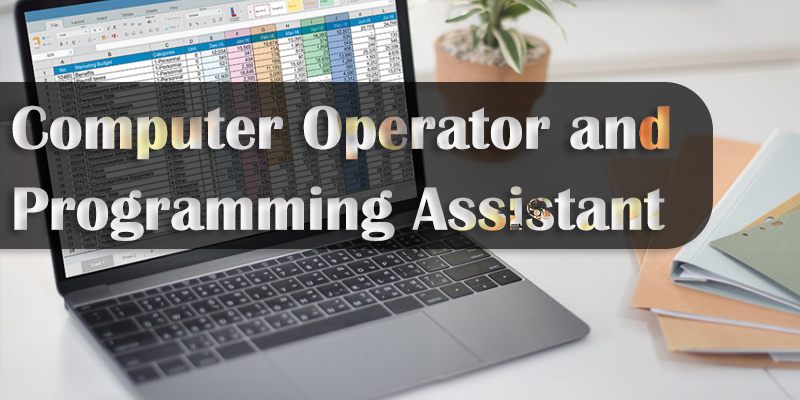
The Computer Operator and Programming Assistant (COPA) is a 1-year, NSQF Level 4 ITI trade focusing on computer operations, programming, and IT support. Candidates must have passed the 10th grade to join, gaining skills in MS Office, JavaScript, database management, and cyber security for roles like Data Entry Operators or IT Assistants. 

Key Aspects of ITI COPA Course:

  • Duration & Structure: 1 year, split into two semesters, usually consisting of 1,600 hours of training.
  • Core Syllabus: Fundamentals of Computer, Operating Systems (Windows/Linux), MS Office Suite (Word, Excel, PowerPoint), Basic HTML & CSS, JavaScript, Networking Concepts, Cyber Security, and Tally.
  • Eligibility: 10th grade passed (minimum age generally 14 years).
  • Certification: National Trade Certificate (NTC) recognized nationwide, issued by DGT (Directorate General of Training). 

Career Options & Jobs:

  • Data Entry Operator/Computer Operator: Handling data entry and administrative tasks in private or government sectors.
  • Programming Assistant: Assisting software developers with basic coding and documentation.
  • IT Support Technician: Troubleshooting hardware and software issues.
  • Web Designer: Creating simple static websites and web-based applications.
  • Self-Employment: Running a cyber cafe or providing computer education. 

Salary Expectations:
Entry-level positions often offer monthly salaries ranging from ₹12,000 to ₹25,000 in private firms, depending on location and skill level. 

Higher Education & Apprenticeship:
After completing the COPA course, graduates can take up an Apprenticeship Training (NAC) or pursue higher studies like a Diploma in Computer Science/Application, or join the Craft Instructor Training Scheme (CITS) to become ITI instructors. 

  • English
  • Hindi
  • Bengali
  • Gujarati
  • Kannada
  • Odia
  • Punjabi
  • Telugu
  • Tamil
  • Marathi
  • Malayalam
By iti | 5:55 PM IST, Sun April 13, 2025

🔄 Introduction to the Booting Process – Trade Theory for COPA

The booting process refers to the sequence of events that occur when a computer is powered on and loads the operating system. This process is crucial because it enables the computer to become operational and ready to perform tasks. Understanding the booting process is fundamental for students in the COPA course as it helps in troubleshooting and system maintenance.


What is Booting?

Booting is the process of starting a computer and loading the operating system (OS) into the computer's memory (RAM) from its permanent storage (e.g., hard disk or SSD). Without booting, the system remains inactive and cannot be used for computing tasks.

There are two types of booting processes:

  • Cold Boot (Hard Boot): This is when the computer is powered off and turned back on. A cold boot involves the entire boot process.

  • Warm Boot (Soft Boot): This occurs when the computer is restarted without switching the power off (e.g., when you select “Restart” from the operating system).


Steps in the Booting Process

The booting process is generally divided into several stages:

1. Power-On Self-Test (POST)

  • What Happens: When the power button is pressed, electricity flows into the computer, and the Power Supply Unit (PSU) sends power to the motherboard.

  • The BIOS (Basic Input/Output System) or UEFI (Unified Extensible Firmware Interface) firmware runs a Power-On Self-Test (POST) to check the computer’s hardware components, such as the RAM, processor, keyboard, and storage devices (HDD, SSD).

  • If any issues are found, the system will produce beep codes or display an error message indicating the problem.

2. Loading the Bootloader

  • What Happens: After the POST is completed successfully, the system’s firmware (BIOS/UEFI) looks for the bootloader, which is a small program responsible for loading the operating system.

  • The BIOS/UEFI searches for a boot device, usually a hard disk, SSD, or external storage device (USB or CD/DVD). It checks the boot order specified in the BIOS/UEFI settings.

  • The bootloader is typically stored on the primary storage device (e.g., in the Master Boot Record or UEFI partition).

3. Initializing the Operating System

  • What Happens: Once the bootloader is found and loaded into memory, it hands control over to the operating system (OS). The OS then begins to load itself into RAM.

  • The operating system kernel (the core part of the OS) is loaded first. The kernel initializes the system, detects the hardware, and sets up necessary drivers to allow communication between the hardware and software.

4. System Configuration and User Interface

  • What Happens: After the kernel is loaded, the system starts the user interface (e.g., Windows, Linux Desktop Environment) or presents the login screen.

  • The operating system may load additional services and background processes that are required for the proper functioning of the system. These include network connections, security processes, and other essential system functions.

  • At this point, users can log in and begin using the computer.

5. Post-Boot Activities

  • What Happens: After the booting process is complete, the system is fully operational. The OS may run background services, load system updates, or prompt the user to configure preferences or install updates.

  • The system is now ready for the user to interact with applications and execute tasks.


Boot Process in Different Operating Systems

  • Windows Boot Process: Windows uses a boot manager that loads the Windows kernel into memory. It then loads the necessary drivers and system files before displaying the login screen for user access.

  • Linux Boot Process: Linux systems use the GRUB bootloader (Grand Unified Bootloader), which displays a menu to choose the kernel version. The kernel is then loaded, followed by user-space programs.

  • macOS Boot Process: macOS uses EFI (Extensible Firmware Interface) for booting. The system firmware loads the boot.efi file, which contains the necessary instructions to start the operating system and load the graphical user interface.


Key Terms to Understand in the Booting Process

  • BIOS (Basic Input/Output System): The firmware that performs the POST and helps load the operating system.

  • UEFI (Unified Extensible Firmware Interface): A modern version of BIOS with more features, such as faster boot times and support for larger storage devices.

  • Bootloader: A program responsible for loading the operating system into memory after the POST.

  • Kernel: The core of the operating system that manages hardware resources and provides services for other software.


Common Booting Issues

  • Boot Failure: If the operating system does not load properly, the computer may show an error message such as "Operating System Not Found." This can occur due to hardware failure, a corrupted operating system, or incorrect BIOS/UEFI settings.

  • Slow Boot: If the computer takes too long to boot up, it could be due to a slow hard drive, excessive startup programs, or insufficient memory.

  • Boot Loop: A boot loop occurs when the computer repeatedly tries to boot but fails, typically due to system file corruption or hardware issues.

Troubleshooting Boot Issues

  • Check Hardware Connections: Ensure all hardware components (e.g., hard drive, RAM) are securely connected.

  • Reboot in Safe Mode: For Windows systems, booting into Safe Mode can help diagnose and fix problems.

  • Use Repair Tools: Many operating systems offer recovery tools or repair options through the boot menu to fix issues related to the bootloader or system files.

  • Reinstall the OS: If other methods fail, reinstalling the operating system might be necessary.


Quick Recap – Booting Process Steps

StepDescription
Power-On Self-Test (POST)Checks hardware components and ensures they are functioning properly.
BootloaderLoads the operating system by finding and running the bootloader.
Loading the OSThe operating system is loaded into memory, starting with the kernel.
System ConfigurationThe OS initializes services and prepares the system for use.
User InterfaceThe login screen or desktop environment appears for user interaction.

🧑‍💻 Role of COPA Students in the Booting Process

As a COPA student, you will:

  • Understand the booting process and its importance for computer functionality.

  • Learn to troubleshoot booting issues in both hardware and software.

  • Familiarize yourself with BIOS/UEFI settings and bootloader configuration.

  • Assist in system recovery and repair when boot failures occur.


🏁 Conclusion

The booting process is a critical part of computer functionality. It ensures that all components of the system are initialized correctly and that the operating system is ready for use. As a COPA student, understanding this process will enable you to effectively troubleshoot and maintain computer systems.
  • Printer-friendly version

Book traversal links for 🔄 Introduction to the Booting Process – Trade Theory for COPA

  • ‹ 🖥️ Computer Hardware Basics and Software Installation – Trade Theory for COPA
  • Up
  • ⚙️ BIOS Settings and Their Modification – Trade Theory for COPA ›
🔄 Introduction to the Booting Process – Trade Theory for COPA
 

Book navigation

  • 🔄 Introduction to the Booting Process – Trade Theory for COPA
  • ⚙️ BIOS Settings and Their Modification – Trade Theory for COPA
  • 💾 Introduction to Various Types of Memories and Their Features – Trade Theory for COPA
  • 🖥️ Basic Hardware and Software Issues and Their Solutions – Trade Theory for COPA
  • 🖥️ Formatting and Loading O.S, Application Software, and Antivirus – Trade Theory for COPA

Books

Introduction to Programming in Java
Programming language (Python)
Cloud Computing
Cyber Security
Advanced Excel Concepts
Database Concepts
Communicating in a Connected World
Using Spread Sheet Application
Designing Static Web Pages
Internet Concepts
Configuring and Using Networks
Database Management
Image editing, Creating presentations & Using Open Office
Using Word Processing Software
Familiarization with DOS CLI & Linux Operating Systems.
🖥️ Computer Hardware Basics and Software Installation
🖥️ Computer Components and Windows Operating System
Cyber Security
E Commerce
Smart Accounting
Introduction to VBA, Features and Applications
Introduction to JavaScript 🧠💻
Web Design Concepts
Internet Concepts 🌐
Networking Concepts 🌐
🗄️ Database Management Systems (DBMS)
Power Point Presentations
📊 Spreadsheet Application – Trade Theory for COPA
📝 Word Processing – Trade Theory for COPA
🖥️ Introduction to DOS Command Line Interface & Linux Operating System – Trade Theory for COPA
🖥️ Computer Hardware Basics and Software Installation – Trade Theory for COPA
Introduction to Computers and Windows Operating System

Article

Types of Files in Computer System
Safety Signs and Symbols Used in Workplace
Safety Rules While Using Computer
Can I start my own business after doing ITI in COPA trade?
Scope in Government Jobs after Doing ITI in COPA

Question Paper

Malayalam

COPA 2024 കഴിഞ്ഞ വർഷങ്ങളിലെ ചോദ്യപേപ്പർ സെറ്റ് 5
COPA 2024 കഴിഞ്ഞ വർഷങ്ങളിലെ ചോദ്യപേപ്പർ സെറ്റ് 4
COPA 2024 കഴിഞ്ഞ വർഷങ്ങളിലെ ചോദ്യപേപ്പർ സെറ്റ് 3
COPA 2024 കഴിഞ്ഞ വർഷങ്ങളിലെ ചോദ്യപേപ്പർ സെറ്റ് 2
COPA 2024 കഴിഞ്ഞ വർഷങ്ങളിലെ ചോദ്യപേപ്പർ സെറ്റ് 1

Marathi

COPA 2024 मागील वर्षांच्या प्रश्नपत्रिका संच 5
COPA 2024 मागील वर्षांच्या प्रश्नपत्रिका संच 4
COPA 2024 मागील वर्षांच्या प्रश्नपत्रिका संच 3
COPA 2024 मागील वर्षांच्या प्रश्नपत्रिका संच 2
COPA 2024 मागील वर्षांच्या प्रश्नपत्रिका संच 1

Tamil

COPA 2024 முந்தைய ஆண்டுகளின் கேள்வித்தாள் தொகுப்பு 5
COPA 2024 முந்தைய ஆண்டுகளின் கேள்வித்தாள் தொகுப்பு 4
COPA 2024 முந்தைய ஆண்டுகளின் கேள்வித்தாள் தொகுப்பு 3
COPA 2024 முந்தைய ஆண்டுகளின் கேள்வித்தாள் தொகுப்பு 2
COPA 2024 முந்தைய ஆண்டுகளின் கேள்வித்தாள் தொகுப்பு 1

Telugu

COPA 2024 గత సంవత్సరాల ప్రశ్నాపత్రాల సెట్ 5
COPA 2024 గత సంవత్సరాల ప్రశ్నాపత్రాల సెట్ 4
COPA 2024 గత సంవత్సరాల ప్రశ్నాపత్రాల సెట్ 3
COPA 2024 గత సంవత్సరాల ప్రశ్నాపత్రాల సెట్ 2
COPA 2024 గత సంవత్సరాల ప్రశ్నాపత్రాల సెట్ 1

Punjabi

COPA 2024 ਪਿਛਲੇ ਸਾਲਾਂ ਦੇ ਪ੍ਰਸ਼ਨ ਪੱਤਰ ਸੈੱਟ 5
COPA 2024 ਪਿਛਲੇ ਸਾਲਾਂ ਦੇ ਪ੍ਰਸ਼ਨ ਪੱਤਰ ਸੈੱਟ 4
COPA 2024 ਪਿਛਲੇ ਸਾਲਾਂ ਦੇ ਪ੍ਰਸ਼ਨ ਪੱਤਰ ਸੈੱਟ 3
COPA 2024 ਪਿਛਲੇ ਸਾਲਾਂ ਦੇ ਪ੍ਰਸ਼ਨ ਪੱਤਰ ਸੈੱਟ 2
COPA 2024 ਪਿਛਲੇ ਸਾਲਾਂ ਦੇ ਪ੍ਰਸ਼ਨ ਪੱਤਰ ਸੈੱਟ 1

Odia

COPA 2024 ପୂର୍ବବର୍ଷର ପ୍ରଶ୍ନପତ୍ର ସେଟ 5
COPA 2024 ପୂର୍ବବର୍ଷର ପ୍ରଶ୍ନପତ୍ର ସେଟ 4
COPA 2024 ପୂର୍ବବର୍ଷର ପ୍ରଶ୍ନପତ୍ର ସେଟ 3
COPA 2024 ପୂର୍ବବର୍ଷର ପ୍ରଶ୍ନପତ୍ର ସେଟ 2
COPA 2024 ପୂର୍ବବର୍ଷର ପ୍ରଶ୍ନପତ୍ର ସେଟ 1

Kannada

COPA 2024 ಹಿಂದಿನ ವರ್ಷಗಳ ಪ್ರಶ್ನೆಪತ್ರಿಕೆ ಸೆಟ್ 5
COPA 2024 ಹಿಂದಿನ ವರ್ಷಗಳ ಪ್ರಶ್ನೆಪತ್ರಿಕೆ ಸೆಟ್ 4
COPA 2024 ಹಿಂದಿನ ವರ್ಷಗಳ ಪ್ರಶ್ನೆಪತ್ರಿಕೆ ಸೆಟ್ 3
COPA 2024 ಹಿಂದಿನ ವರ್ಷಗಳ ಪ್ರಶ್ನೆಪತ್ರಿಕೆ ಸೆಟ್ 2
COPA 2024 ಹಿಂದಿನ ವರ್ಷಗಳ ಪ್ರಶ್ನೆಪತ್ರಿಕೆ ಸೆಟ್ 1

Bengali

COPA 2024 পূর্ববর্তী বছরের প্রশ্নপত্র সেট 5
COPA 2024 পূর্ববর্তী বছরের প্রশ্নপত্র সেট 4
COPA 2024 পূর্ববর্তী বছরের প্রশ্নপত্র সেট 3
COPA 2024 Previous Years Question Paper Set 2
COPA 2024 পূর্ববর্তী বছরের প্রশ্নপত্র সেট 1

Gujarati

COPA 2024 અગાઉના વર્ષોના પ્રશ્નપત્ર સેટ 5
COPA 2024 અગાઉના વર્ષોના પ્રશ્નપત્ર સેટ 4
COPA 2024 અગાઉના વર્ષોના પ્રશ્નપત્ર સેટ 3
COPA 2024 અગાઉના વર્ષોના પ્રશ્નપત્ર સેટ 2
COPA 2024 અગાઉના વર્ષોના પ્રશ્નપત્ર સેટ 1

Hindi

COPA 2024 पिछले वर्षों के प्रश्न पत्र सेट 5
COPA 2024 पिछले वर्षों के प्रश्न पत्र सेट 4
COPA 2024 पिछले वर्षों के प्रश्न पत्र सेट 3
COPA 2024 पिछले वर्षों के प्रश्न पत्र सेट 2
COPA 2024 पिछले वर्षों के प्रश्न पत्र सेट 1
COPA 2024 – प्रश्न पत्र सेट 2
COPA 2024 – प्रश्न पत्र सेट 6
COPA 2024 – प्रश्न पत्र सेट 3
COPA 2024 – प्रश्न पत्र सेट 1
COPA 2024 – प्रश्न पत्र सेट 11
COPA 2024 – प्रश्न पत्र सेट 10
COPA 2024 – प्रश्न पत्र सेट 9
COPA 2024 – प्रश्न पत्र सेट 8
COPA 2024 – प्रश्न पत्र सेट 7
COPA 2024 – प्रश्न पत्र सेट 5
COPA 2024 – प्रश्न पत्र सेट 4

English

COPA 2024 Previous Years Question Paper Set 5
COPA 2024 Previous Years Question Paper Set 4
COPA 2024 Previous Years Question Paper Set 3
COPA 2024 Previous Years Question Paper Set 2
COPA 2024 Previous Years Question Paper Set 1
ITI COPA 2023 Question Paper
ITI COPA 2023 Question Paper – Set 4
ITI COPA 2023 Question Paper – Set 3
ITI COPA 2023 Question Paper – Set 2
COPA Trade Theory Semester 2 July 2018
COPA Trade Theory Semester 2 July 2018 SET 1
COPA Trade Theory Semester 2 January 2018
COPA Trade Theory Semester 1 July 2018 SET 2
COPA Trade Theory Semester 1 July 2018 SET 1
COPA Trade Theory Semester 1 January 2018
COPA Trade Theory Semester 2 July 2017
COPA Trade Theory Semester 1 July 2017

Common Subject

  • Engineering Drawing
  • Employability Skills
  • Workshop Calculation Science

Directory

  • Industrial Training Institutes
  • Engineering College
  • Medical College

Knowledge Bank

  • ITI Syllabus
  • Tools

Student Friend

  • ITI Admission
  • ITI Jobs
  • ITI Hunnarbaaz
  • Get ITI Website

Electrician + Wireman + Electroplater + Electrician Power Distribution + Lift and Escalator Mechanic | ITI Fitter | ITI COPA | ITI Welder | ITI Mechanic | ITI Electronics | Agriculture + Horticulture + Floriculture | ITI Draughtsman Civil & Mech | ITI Refrigeration & Air Conditioning | ITI Turner | ITI Plumber | ITI Machinist | ITI Cosmetology | ITI Sewing | ITI Surveyor

Copyright © 2026 ITI Directory - All rights reserved

Developed and Designed by ITI Directory